Related Articles
- How Emotional Spending Biases in Leadership Can Influence Company Financial Transparency and Accountability
- Unveiling the Role of Employee Psychology in Shaping Unexpected Business Budget Outcomes
- Top 6 Disruptive Invoice Platforms Launched Since 2019 Tackling Automation Bottlenecks in Unconventional Ways
- Top 6 Smart Accounting Softwares Since 2019 That Revolutionize Tracking Business Tax Write-Offs
- The Rise of Biometric Authentication in Digital Finance: A New Frontier for Secure Business Transactions
- How Small Nonprofits Leverage Alternative Finance Tools to Navigate Accounting Challenges Off the Radar
Top 6 Emerging Cloud-Based Accounting Platforms Challenging QuickBooks Dominance Since 2019
Top 6 Emerging Cloud-Based Accounting Platforms Challenging QuickBooks Dominance Since 2019
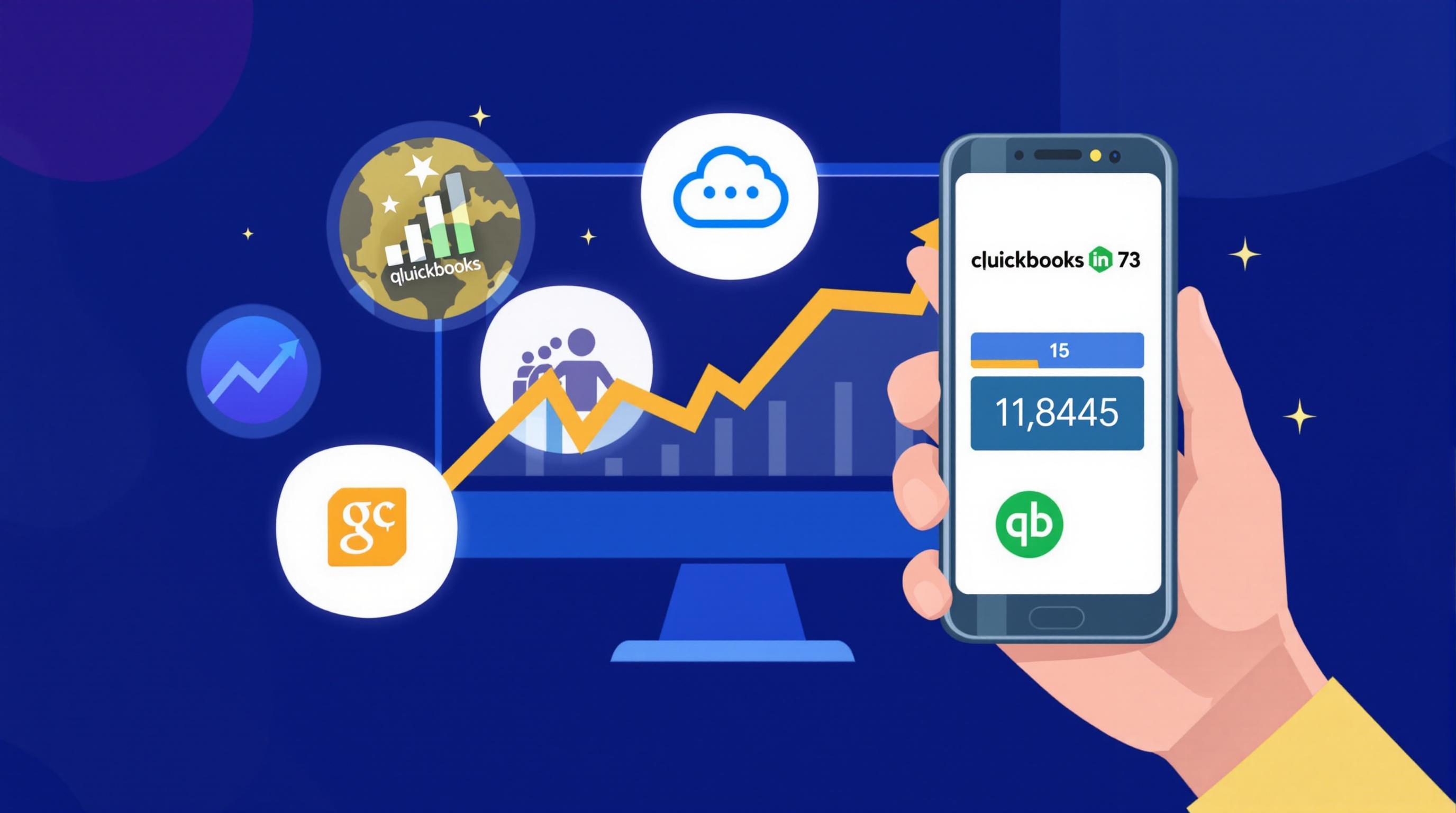
Since 2019, the accounting software arena has seen fresh challengers emerging to contend with QuickBooks’ longstanding dominance. This article explores six cloud-based platforms that are shifting paradigms with innovative features, user-centric design, and competitive pricing.
Wave Accounting: Imagine you’re a small business owner juggling bookkeeping and client meetings—all while trying to stay sane. Wave steps in like a friendly sidekick, offering full-featured accounting tools for free, making it a beloved option for freelancers and small enterprises. Its cloud-based system encompasses invoicing, receipt scanning, and expense tracking. According to a 2022 survey by FinTech Today, around 32% of North American startups adopted Wave primarily because of its zero-cost entry point.
Xero: Reinventing Collaboration and Automation
My name is James, a 42-year-old accountant turned tech enthusiast. Xero got me hooked with its seamless collaboration tools and automation features that reduce manual data entry by more than 50% for many users. That’s not just hype; a 2021 case study published by Xero demonstrated a mid-sized retail company trim accounting workload from 20 hours a week to under 10 hours by automating invoicing and bank reconciliations through their platform.
Designed with businesses that crave real-time insight in mind, Xero’s dashboard displays bank balances, invoices owed, and financial reports, all accessible on mobile devices, making remote accounting painless. If you’re tired of the old upload-download cycles, Xero’s bank feeds update automatically, representing a true game-changer.
FreshBooks: Friendly Accounting for Service-Based Entrepreneurs
Now, let’s dial it back a bit—say you’re a 28-year-old yoga instructor running your own studio who’s no financial wizard. FreshBooks offers simplicity like no other. Originally launched in 2003 but rapidly evolving post-2019, FreshBooks combines easy-to-use invoicing with time tracking. Its intuitive design has garnered a 4.5-star average rating from over 10,000 reviews on G2, underscoring user satisfaction.
This platform embraces the “less is more” philosophy; instead of overwhelming users with endless features, it focuses on core tasks like invoice creation, automatic late payment reminders, and straightforward expense management. Fun fact: FreshBooks reports a 74% reduction in invoicing errors thanks to its automated systems.
Zoho Books: Affordable Yet Comprehensive
Growing up watching my father balance budgets for his small retail outlet, I always wished for a tool that could do it all without complicated setups. Then came Zoho Books. It combines affordability and a robust feature set that appeals especially to small-medium enterprises (SMEs).
Since 2019, Zoho Books has seen rapid growth, with over 150,000 businesses around the world adopting it in the past three years. Its multi-currency support and tax compliance tools make it particularly attractive in global markets. Zoho Books also integrates seamlessly with the larger Zoho ecosystem, allowing businesses to extend functionalities like CRM and project management within a unified platform.
Comparing Pricing: Why Cost Matters in Cloud Accounting
Let me break it to you directly: QuickBooks isn’t exactly wallet-friendly for everyone. Its pricing starts at $25 per month, scaling up with added features that some businesses may never use. By contrast, Wave’s free offering or Zoho Books' competitive pricing (starting around $15/month) provide compelling value for small businesses or startups tightening budgets. According to a 2023 survey by Software Advice, 45% of SMBs that switched accounting software cited lower costs as the primary factor.
Sage Intacct: Powerhouse for Mid-Size to Large Enterprises
For companies evolving beyond basic bookkeeping into complex financial management, Sage Intacct offers an enterprise-grade platform with advanced automation, compliance, and reporting capabilities. Many finance directors commend its capacity to handle multi-entity consolidation and real-time dashboards.
Take the example of Blue Ocean Shipping, which after implementing Sage Intacct in 2020, reported a 30% increase in financial process efficiency and a 40% reduction in month-end closing time, according to a 2022 company press release.
The Rise of Cloud-Based Accounting and Its Impact
Since the pandemic nudged businesses toward remote operations, cloud-based accounting solutions have become indispensable. These platforms not only offer anywhere-access but also guarantee continuous updates without the hassle of manual installations. QuickBooks Online still leads but is no longer the unchallenged giant it once was.
Accounting Meets AI: The Next Frontier
Before we wrap up, a quick look forward: AI is transforming accounting software by predicting cash flow trends, flagging anomalies, and even suggesting tax strategies. Platforms like Xero and Sage Intacct are already embedding AI-driven analytics to help companies make smarter, faster decisions. For users aged 16 to 70 navigating finance for their ventures, these innovations are both exciting and empowering.
Conclusion: Choosing the Right Partner for Your Business
By now, you’ve seen that the accounting software scene is vibrant and diverse. Whether you’re a young freelancer, a mid-career entrepreneur, or seasoned corporate finance professional, there’s a platform tailored to your needs beyond QuickBooks. The key is evaluating features, pricing, and scalability aligned with your business goals.
Switching from established tools to newer cloud platforms can be intimidating but often pays off long term. Take Wave for no-cost basics, Zoho Books for growing enterprises, Xero for seamless collaboration, FreshBooks for service providers, or Sage Intacct for complexity and scale. Embrace this era of financial liberation and let smarter tools carry your accounting workload.