Related Articles
- How Emotional Spending Biases in Leadership Can Influence Company Financial Transparency and Accountability
- Unveiling the Role of Employee Psychology in Shaping Unexpected Business Budget Outcomes
- Top 6 Disruptive Invoice Platforms Launched Since 2019 Tackling Automation Bottlenecks in Unconventional Ways
- Top 6 Smart Accounting Softwares Since 2019 That Revolutionize Tracking Business Tax Write-Offs
- The Rise of Biometric Authentication in Digital Finance: A New Frontier for Secure Business Transactions
- How Small Nonprofits Leverage Alternative Finance Tools to Navigate Accounting Challenges Off the Radar
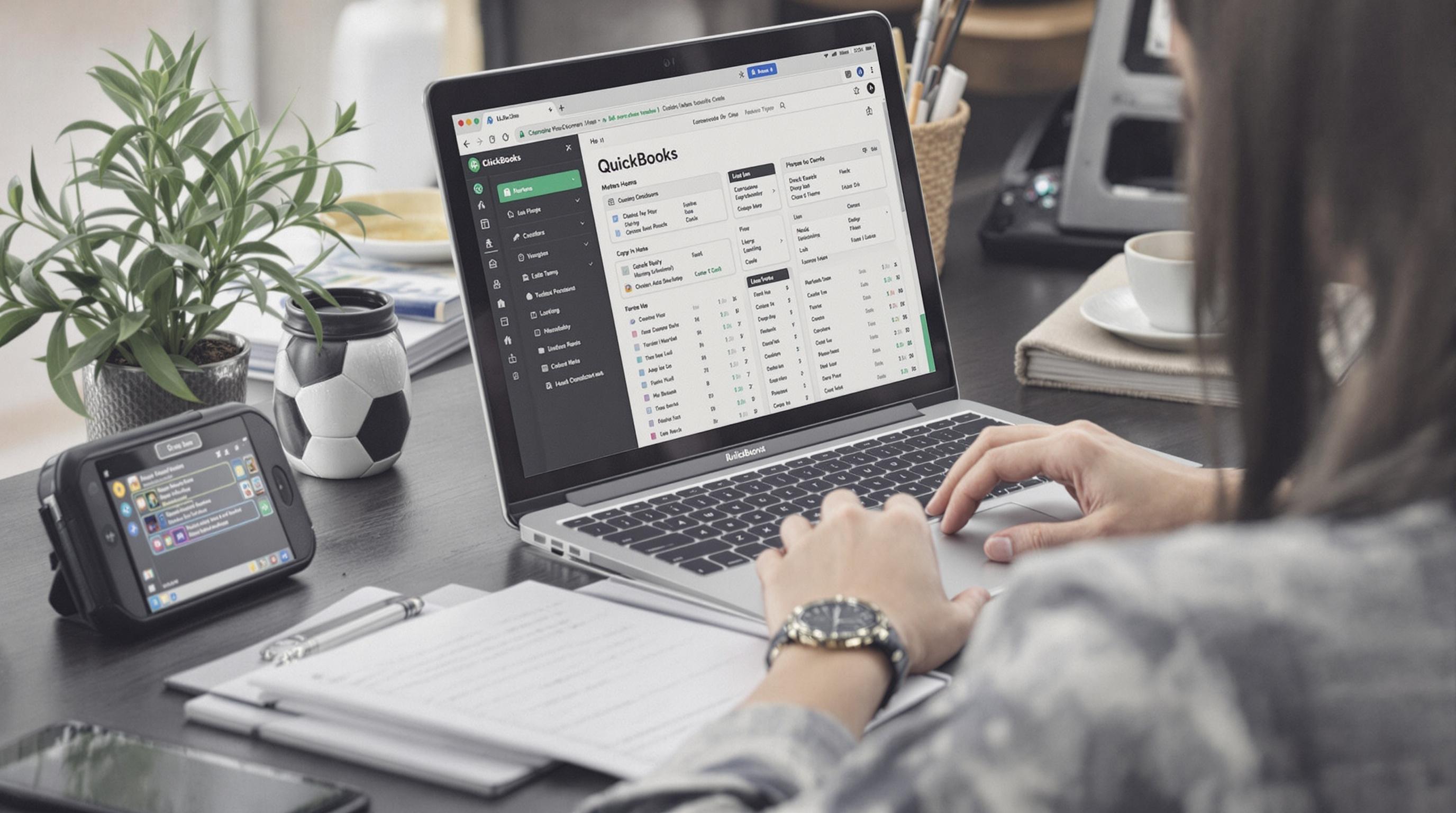
7 Game-Changing QuickBooks Alternatives Released Since 2019 That Small Businesses Overlook
7 Game-Changing QuickBooks Alternatives Released Since 2019 That Small Businesses Overlook
Choosing the right accounting software can transform your small business’s financial health—and these seven QuickBooks alternatives launched since 2019 offer fresh, innovative ways to streamline your accounting. From AI-driven automation tools to industry-specific solutions, these overlooked gems might just be what your business needs to leap ahead.
Let me tell you about a friend of mine, Sarah, a 45-year-old boutique owner in Portland. She was drowning in receipts and spreadsheets until she switched to Wave Accounting in 2020. The platform’s user-friendly interface and free pricing model saved her over $1,200 per year—an amount which, for most small businesses, can be reinvested in marketing or hiring. What's more, it offers invoicing, receipt scanning, and bank reconciliation all in one place.
The Rise of AI-Powered Bookkeeping: Beyond Basic Ledgers
The rise of artificial intelligence has revolutionized bookkeeping, making it faster and less error-prone. Botkeeper, launched in 2019, harnesses AI and machine learning to handle data entry, transaction categorization, and financial reporting—all without sacrificing accuracy. According to Botkeeper’s reports, clients often save up to 75% on bookkeeping costs compared to traditional outsourcing.
Imagine an 18-year-old recent graduate, just launched a startup. She is tech-savvy but inexperienced in accounting. Botkeeper’s AI-driven approach fills that gap effortlessly. It’s like having a diligent virtual assistant who never sleeps, meticulously managing your books while you focus on growth.
Fresh Features, Different Focus
Zoho Books, although not brand new, has seen massive updates since 2019 that small businesses tend to overlook. Seamlessly integrating with the Zoho ecosystem, which includes CRM, inventory, and email marketing tools, it’s a natural fit for companies aiming for unified business management. Its workflow automation reduces manual tasks, letting entrepreneurs reclaim precious hours.
One striking statistic is that 68% of small businesses using Zoho Books report increased productivity within just 3 months (Zoho User Report, 2022). That’s the kind of efficiency leap worth considering.
A Casual Chat on Software Costs: Sometimes Free is More Than Enough
Look, not everyone wants a full-fledged, pricey financial suite. Many small businesses operate on razor-thin margins, and a free or low-cost option can be a lifesaver. Take Sunrise by Lendio, for instance: free accounting software with invoicing and expense tracking, perfect for freelancers and micro-businesses. The catch? Paid plans upgrade you to features like payroll and tax assistance.
Consider Jake, a 30-year-old freelance graphic designer who switched to Sunrise in 2021. He says, “It’s simple, straightforward, and lets me track income without headaches.” Sometimes simplicity wins the race.
Not All Accounting Tools Look the Same: Industry-Specific Solutions
For small businesses in specialized sectors, one-size-fits-all accounting often falls short. Enter Kashoo, updated continuously since its 2019 revamp to address freelancers and small business owners with minimal accounting know-how. They offer features like streamlined invoicing and real-time expense tracking that cater specifically to the needs of consultants, writers, and artists.
A case study: Michael, a 52-year-old freelance consultant, credits Kashoo for making quarterly taxes “far less intimidating.” He says the intuitive dashboards and quick reports reduce his accounting anxiety—which, honestly, is priceless.
Why Traditional QuickBooks Might No Longer Cut It
Despite QuickBooks being a household name, its limitations can frustrate businesses ready to scale or with niche needs. Slow customer support, complex pricing tiers, and lack of flexibility have pushed many owners to seek alternatives. For example, a 2023 survey by Software Advice indicated 38% of SMBs switched accounting platforms after growing beyond QuickBooks’ capabilities.
Who Are These Alternatives For?
Whether you’re a 16-year-old starting your first online store or a 70-year-old artisan juggling multiple clients, these alternatives offer tailored options. Small business owners crave solutions that are affordable, intuitive, and integrated with their workflow. Sometimes it’s less about brand recognition and more about what fits your unique rhythm.
Fresh on the Horizon: FreshBooks 2021 Overhaul
FreshBooks relaunched a completely revamped user interface and enhanced automation in 2021, focusing squarely on freelancers and service-based businesses. Features like automatic late payment reminders and time tracking are game-changers. Case in point: a Brooklyn-based freelance writer saw her invoicing errors drop 40% and client payments accelerate by two weeks.
Fun Fact: Nearly 60% of Small Businesses Change Software Within the First 3 Years
This statistic underscores just how dynamic the SMB software landscape is (Statista, 2023). It means don’t be afraid to explore and switch—what worked yesterday might not cut it tomorrow. Especially with revolutionary new players entering the market since 2019.
Wrapping It Up: Your Financial Peace, Reimagined
There’s no one-size-fits-all accounting software anymore. With seven innovative and affordable QuickBooks alternatives launched since 2019, small business owners have a buffet of options tailor-made for varied needs. Whether it’s AI-fueled automation, industry specificity, or cost-conscious simplicity—embrace the versatility and let your financial management be as agile as your ambitions.